Argumenta Lecture: Prof. Scott F. Gilbert

Ajankohta: 25.10.2023 klo: 10:15-12:00

Paikka: University of Oulu, Kontinkangas campus Pharmacology Lecture Hall F202  

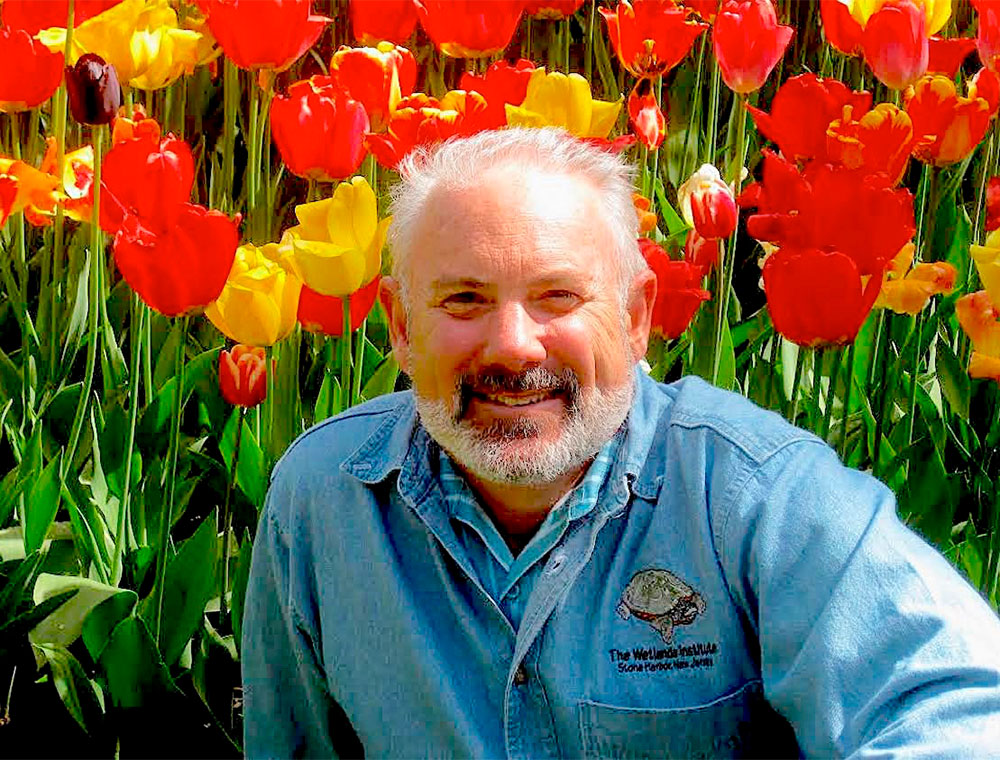
Scott F. Gilbert is the Howard A. Schneiderman Professor of Biology, emeritus, at Swarthmore College, where he teaches developmental genetics, embryology, and the history and critiques of biology. He is also a Finland Distinguished Professor (FiDiPro), emeritus, at the University of Helsinki. 

Professor Scott Gilbert is a renowned figure in the field of developmental biology. He has made significant contributions to our understanding of embryonic development and evolutionary biology. Gilbert’s research into developmental biology often delves into how organisms adapt to different environments. This understanding is critical in the context of Planetary Health, where the goal is to protect both human and ecosystem health.

In addition to his contributions in the field of developmental biology, Scott Gilbert is also known for his authorship of developmental biology textbooks. His textbooks have become widely recognized and utilized resources, serving as essential educational materials for students, researchers, and professionals interested in the subject.

Scott has also participated in numerous meetings concerning science and religion. Most notably, he spoke at the International Conference on Ontogeny and the Origin of Life at the Pontifical Athenaeum  ‘Regina Apostolorum’, in Rome; and he gave a lecture on developmental biology to His Holiness, the Dalai Lama at the Drepung Monastery, Mundgod, India.
Programme

10.00 Coffee service

10.15 Argumenta lecture: Prof. Scott Gilbert, ”Pseudo-embryology: The contest between myth and science in human development.”

Abstract:

The public is being told several myths about human reproduction and development that pretend to be science. The first myth is that all biologists agree that fertilization is when a separate human life begins. In reality, different groups of scientists have proposed that a separate human life begins at  fertilization (acquisition of genome), gastrulation (acquisition of biological identity), EEG patterning (acquisition of the neural requisites for cognition and pain), viability and birth (the anatomical and physiological separation from the mother). And some scientists don’t see this as a biological question.  The second myth is that fertilization is solely a story of sperm performance. Indeed, the popular view of fertilization is patterned by the classical ”myth of the hero.” The scientific story of fertilization is one of remarkable interactions between the gametes and between the gametes and the female reproductive system. The third myth is that DNA is our ”soul,” our essence, and that our physical and behavioral phenotypes are derived almost exclusively from our genome. This has become a very popular view (as in Dawkins’ writings), although the science behind it is very weak, and there are numerous counterexamples. These three myths inform and give support for each other’s misinformation. The developmental biology concerning fertilization, phenotype production, and birth should be publicized more frequently to prevent the misuse of science for ideological and political concerns.

You can learn more about Professor Gilbert from the following links:

Scott Gilbert’s Profile

Interview with Scott Gilbert


Panelistit ja puhujat

Prof. Scott Gilbert

Rooli: SpeakerOrganisaatio: Swarthmore College, University of HelsinkiSivusto: https://www.swarthmore.edu/profile/scott-gilbert

Seppo Vainio

Rooli: HostOrganisaatio: Universisty of Oulu

Tule mukaan keskustelemaan ja kuuntelemaan

Artikkelit

Hanna Haveri: Luonto on suojamuuri sairauksille

Hanna Haveri huomauttaa, että suomalaisten tutkimusten mukaan kaupungeissa elää keskimäärin terveempiä ja tyytyväisempiä ihmisiä.   Hanna Haveri on neurologian erikoislääkäri ja maailman ensimmäinen planetaarisen terveyden lääkäri. Hän työskentelee Päijät-Hämeen hyvinvointialueella Lahdessa. Haverin tutkimuksellinen kiinnostus on erityisesti luontokadon osuudessa sairauksien synnyssä. Kerro omasta taustastasi ja siitä, miten luonnon monimuotoisuus alkoi sinua kiinnostaa? Liikuin jo pikkulapsena paljon…

Ihon monipuolinen mikrobisto auttaa immuunipuolustusta

Ihon mikro-organismeilla on suoliston tavoin merkittävä rooli kehon immuunijärjestelmän parantamisessa. Helsingin yliopiston yhteisöekologi Mira Grönroos tutkii elinympäristön, mikrobiyhteisöjen ja ihmisen terveyden välisiä yhteyksiä. Hän on kiinnostunut millä tavalla metsässä oleskelu ja erilaiset kontaktit luontoon vaikuttavat ihon mikrobistoon.  Tavoitteena on löytää ratkaisuja ihmisen immuunipuolustuksen toiminnan parantamiseksi. Aihetta ei ole paljon tutkittu.   Allergialääkäri Tari Haahtela on…

Saara Kankaanrinta: Luonnon monimuotoisuus on kaiken elämän elinehto

    Turun yliopiston kunniatohtori Saara Kankaanrinta on kokenut ympäristövaikuttaja ja luonnonsuojelija, jolla on vahva yrittäjätausta. Kankaanrinta omistaa puolisonsa Ilkka Herlinin kanssa Qvidjan koetilan Paraisilla. Siellä tutkitaan ja kehitetään monimuotoisuutta ja harjoitetaan ilmastonmuutosta hillitsevää maa- ja metsätaloutta. Kankaanrinta on myös Luken johtokunnan varapuheenjohtaja. Kerro omasta taustastasi ja siitä, miten sinusta tuli luonnonsuojelija? Olen joensuulainen, elänyt…